Address
304 North Cardinal
St. Dorchester Center, MA 02124
Work Hours
Monday to Friday: 7AM - 7PM
Weekend: 10AM - 5PM
Address
304 North Cardinal
St. Dorchester Center, MA 02124
Work Hours
Monday to Friday: 7AM - 7PM
Weekend: 10AM - 5PM

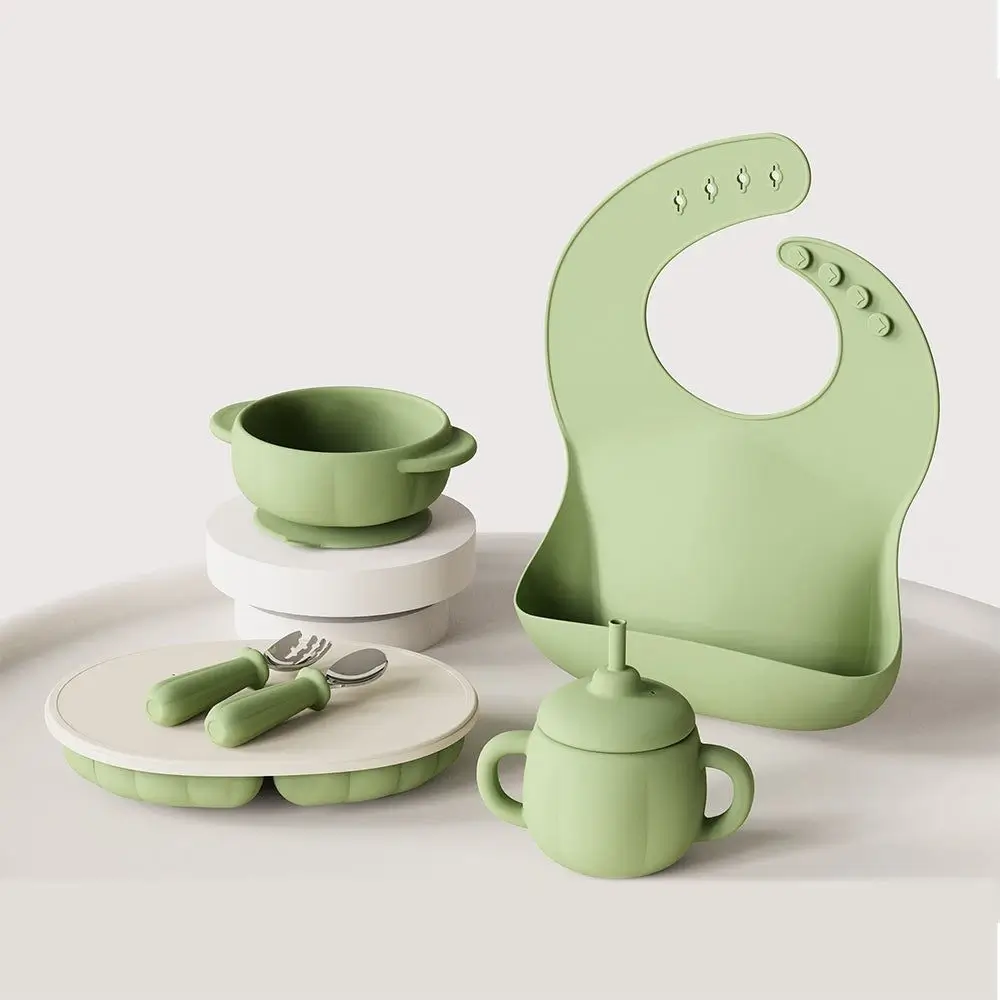
In 2025, multi-functionality is reshaping silicone baby products. Buyers favor versatile designs that deliver more value per unit, from feeding sets that double as ice pops to teethers that attach to toys. Understanding this shift helps brands partner with suppliers to convert the trend into a competitive edge.
Parents want smarter gear with fewer pieces, and multi-functional silicone products answer that need. Versatile items reduce clutter, extend usage across stages, and support premium positioning without expanding assortments.
Consumer mindset has shifted toward “more value, less clutter.” Hybrid products such as freezer-ready spoons, bibs with integrated catch pockets, and clip-on teethers align with everyday use and travel scenarios.
Top-selling products include feeding sets with suction bases, teethers with storage features, and convertible bottle hybrids. Collapsible bowls, modular plates, and dual-use utensils reflect supplier innovation and shopper preference.
For B2B channels, one well-engineered product can cover multiple use cases, streamlining SKUs, lowering warehousing complexity, and reducing ordering friction.
Integrated function must be designed in, not layered on. Cooling spoons require balanced heat transfer and structure, while clip-on teethers need durable attachment points without sacrificing flexibility.
Performance should be verified per mode. Seek thermal cycling data for cooling parts, mechanical stress results for teething zones, and fatigue testing on rotating or flexing joins, and request formal test reports.
Material purity and compatibility matter. Different regions may need different hardness while remaining food-safe and compliant. Avoid incompatible silicone interfaces unless thoroughly validated.
Balance complexity with manufacturability. Favor mold strategies that enable inserts or modular joins to control tooling cost and failure points while maintaining quality.
Request real-world use cases and comparable references. Ask for mode-specific test reports, durability guarantees by cycle counts, and cleaning validations for seams and nooks. Clarify how added functions affect assembly time and unit cost.
A snack cup that doubles as a teether uses a detachable lid for cooling and a body that separates into chewable segments. The two-in-one format matches demand for portable, stage-spanning gear and illustrates how modularity can raise perceived value.
Overengineering can cause a weak mode to undermine the whole product. Certifications may span multiple categories, and replacement planning can be harder. Higher tooling complexity can extend lead times without careful process control.
Pilot one flagship multi-function product, engage suppliers early on modular design, and require mode-specific test data before mass production. Communicate the multipurpose value clearly and rationalize SKUs so the assortment stays focused.
Multi-functionality in silicone baby gear is a buyer-driven imperative in 2025. Brands and distributors that align with suppliers skilled in hybrid design and rigorous testing will convert the trend into durable advantage. If you want support with prototyping, validation, or supplier selection, please contact us for guidance on bringing a safe, smart, and market-leading product to market.
